
Wisdom AI™
usWISDOM™ captures the lived, tacit wisdom of world-class practitioners — the discernment and embodiment that lives in a master’s thoughts and body, not in any textbook — and builds it into AI.

In focus: surgical-robotics AI
Working with world-class, protocol-establishing surgeons at a top hospital, usWISDOM is capturing what no corpus holds — the tacit judgments and skills of master microsurgeons — and turning them into a Wisdom AI™ that carries their wisdom to more disciples and patients than any pair of hands can reach. Wisdom AI™ incorporates multimodal master’s thoughts and actions— so a disciple learns as if standing by.
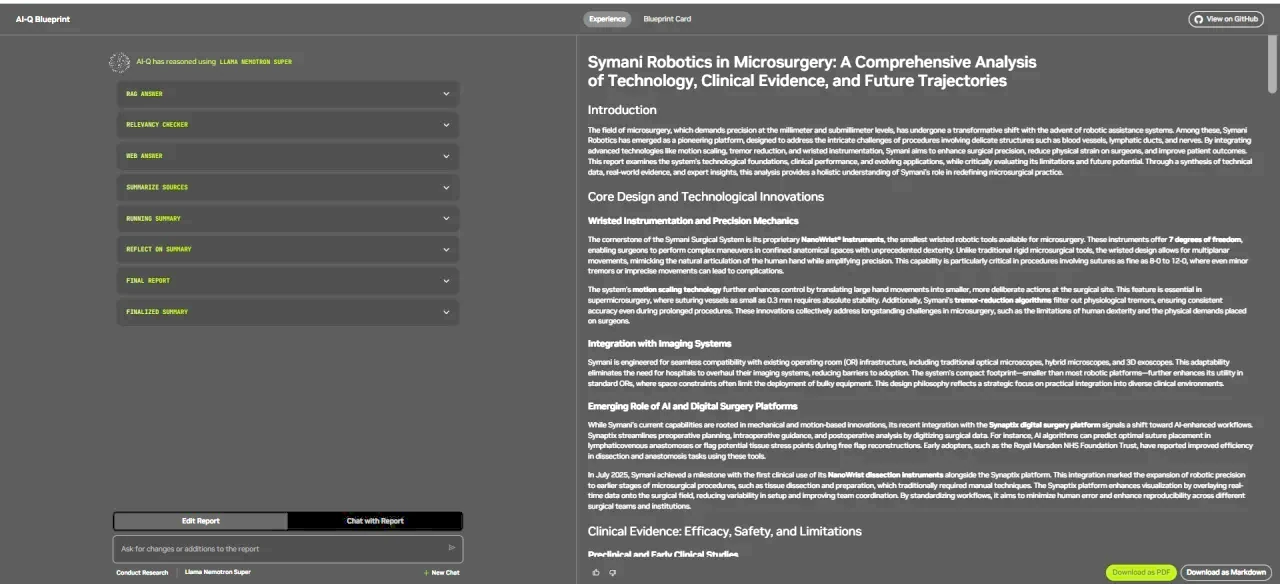
Symani® and NanoWrist® are trademarks of Medical Microinstruments, Inc. usWISDOM is an independent researcher, not affiliated with or endorsed by MMI.
Research
Related peer-reviewed research publications
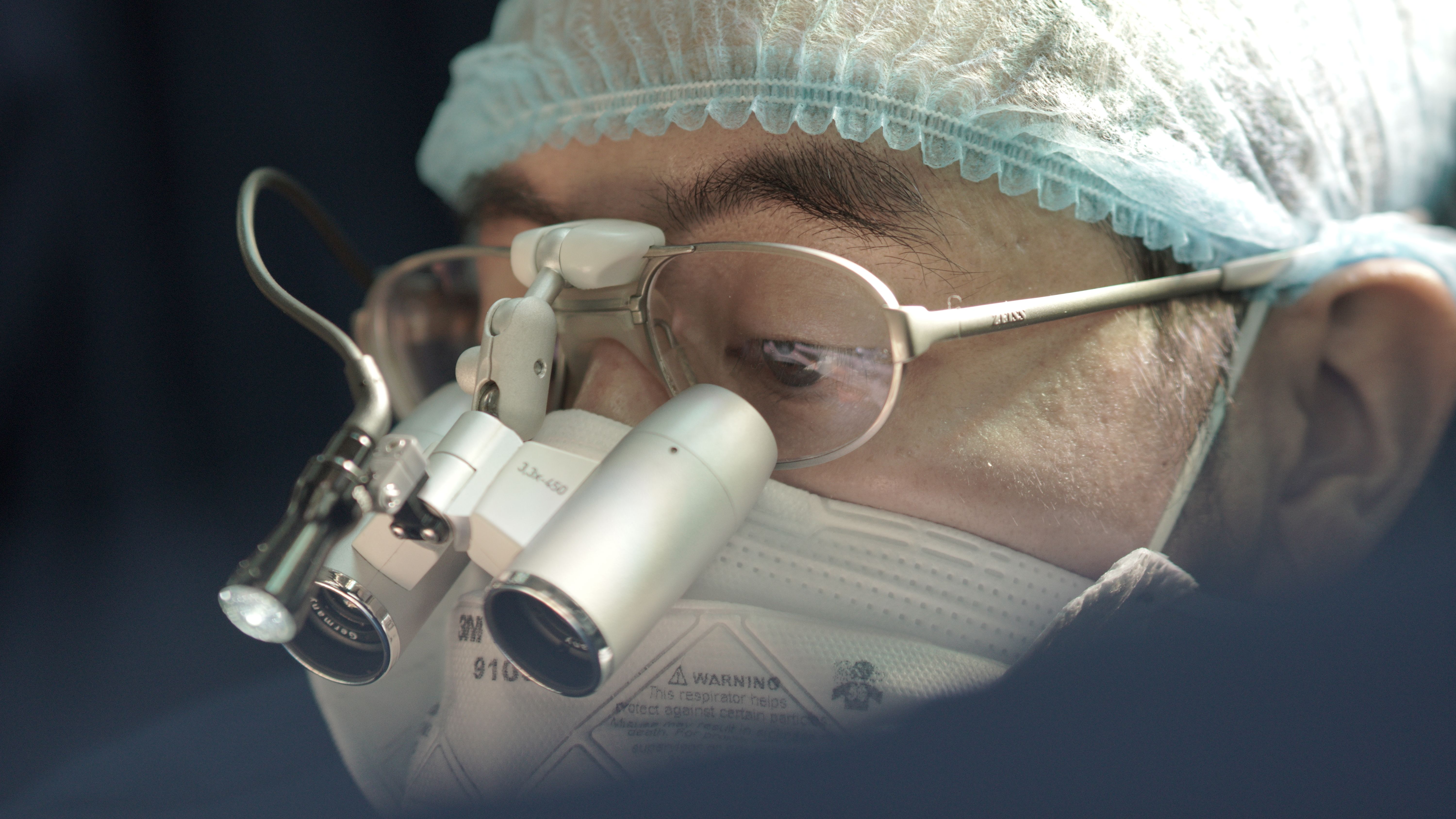
Robotic microsurgery: future or folly?
The first U.S. study of the Symani robotic microsurgical system, measured against conventional technique. Anastomosis time was longer than conventional, but vessel damage was significantly reduced — suggesting that as surgeons master Symani, robotic microsurgery is poised to yield superior outcomes.
Premaratne, Wang & Cetrulo (2026) Robotic microsurgical systems in plastic surgery: Future or folly? Plastic Surgery The Meeting, Houston, TX. · Co-authored with microsurgeons in the Department of Plastic Surgery, Cedars-Sinai Medical Center.
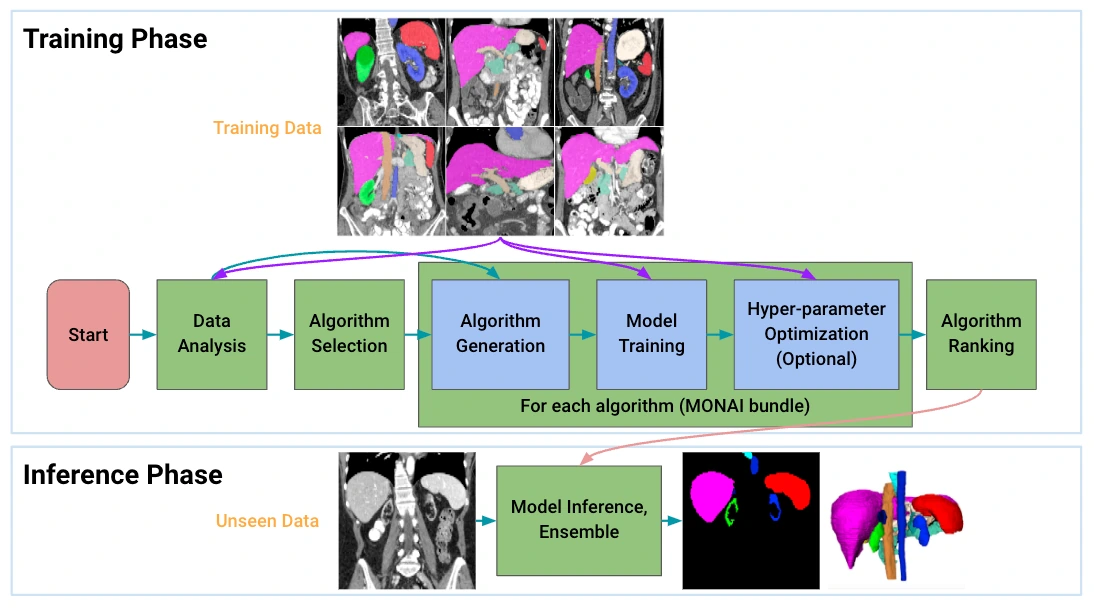
Clinical AI industrial solutions to data scarcity
Examines two industry answers to scarce clinical data — MONAI’s federated learning (training across hospitals without moving raw patient data) and MAISI’s synthetic medical imaging — and maps their risks (inference attacks, HIPAA, fairness, generalizability) with concrete guidance for safe deployment.
Wang, Kalla & Shadowen (2026) Clinical healthcare AI industrial solution to data scarcity: Frameworks and challenges. Issues in Information Systems, forthcoming.